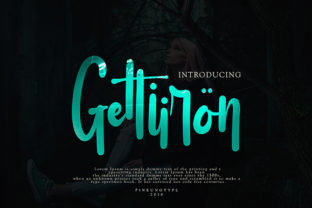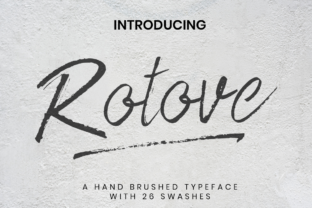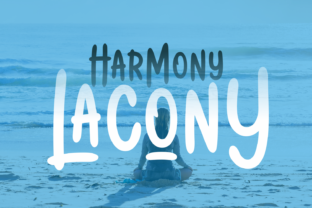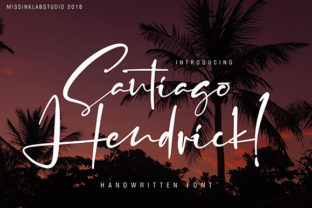
Delillah: A Handwritten Font That Builds Trust and Charm
As a small business owner who designs every label, writes every Instagram caption, and chooses every font for my café’s menu and packaging—I know how much one typeface can shape how customers feel about my brand. Delillah isn’t just another script font. It’s light, breezy, and full of authentic charm—the kind that makes people pause mid-scroll or smile when they see it on a product label. It feels human, not automated. And in a world where small businesses compete with polished corporate brands, that authenticity is a quiet superpower.
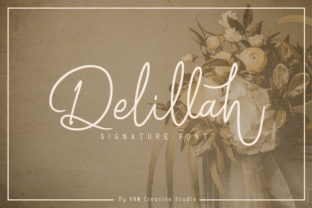
Delillah belongs to the Script Handwritten category, but it avoids looking overly ornate or fussy. Its strokes have gentle variation—some thicker, some airy—giving it rhythm without sacrificing clarity. It’s expressive, yes, but never hard to read at a glance. That balance matters when your customer sees it on a 2-inch candle jar label, a mobile-optimized website banner, or a sticker slapped on a takeaway coffee cup.
I’ve used Delillah across real touchpoints—not just as a “pretty logo font,” but as part of a consistent visual language. For my friend’s herbal tea line, we used Delillah for the product name on each box, then paired it with a clean sans serif (like Montserrat or Inter) for ingredients and brewing instructions. The contrast worked beautifully: Delillah carried warmth and care; the sans serif kept things legible and grounded. That pairing strategy works whether you’re designing for a handmade soap brand, a wellness coaching business, or a local florist’s seasonal flyer.
Here’s where Delillah shines most:
- Logos & wordmarks: It adds personality without shouting—ideal for boutiques, bakeries, and service-based brands that want approachability and polish in equal measure.
- Packaging & product labels: Its light weight and open spacing hold up well even at small sizes on jars, pouches, and tags—especially when printed on kraft paper or matte stock.
- Social media visuals: On Instagram carousels or Pinterest pins, Delillah draws attention to headlines while keeping the mood soft and intentional—no jarring contrast, no visual fatigue.
- Menus & in-store signage: At my cousin’s neighborhood café, we used Delillah for daily specials on the chalkboard-style digital menu board. Customers told us it felt “inviting” and “thoughtful”—not just decorative.
- Thank-you cards & packaging inserts: When your brand voice is warm and personal, Delillah reinforces that tone before the customer even opens the box.
That said, Delillah isn’t meant to carry your entire brand alone. It’s a display font—a headline-maker, an accent, a signature. Use it for names, quotes, callouts, and short phrases. Never for long paragraphs or tiny legal disclaimers. Pair it wisely: a friendly sans serif for body text keeps things readable; a subtle serif (like Lora or Merriweather) adds quiet elegance for email newsletters or blog headers. Avoid pairing it with other highly decorative scripts—that creates visual noise, not harmony.
Readability in real-world settings is non-negotiable. I tested Delillah on three things before committing: how it looked on a 1.5-inch product tag under natural light, how it rendered on iPhone screenshots (especially in Stories), and how crisp it stayed when exported as a PNG for web banners. It passed all three—no blurring, no awkward gaps between letters, no unintended heaviness. That reliability means less time tweaking kerning and more time serving customers.
If you’re launching a new product line or refreshing your brand identity, try Delillah in low-stakes places first. Add it to one social post. Print it on a single batch of thank-you cards. Use it for your next limited-edition sticker run. See how it feels in context—not just on a font preview page, but next to your actual photography, colors, and copy. Does it elevate your message? Does it feel like *you*? If yes, scale up thoughtfully.
Licensing is practical, not optional. Delillah is a premium font—and using it commercially means checking the license terms. Most reputable vendors offer clear commercial use rights, including for packaging, merchandise, client work, and digital templates—but always verify before printing 500 labels or selling Canva templates with Delillah baked in. Skipping this step risks takedowns or legal friction down the road. It’s not red tape—it’s respect for the designer’s craft and protection for your business.
For handmade makers, boutique owners, and service providers building something meaningful, typography is one of the most accessible levers for brand cohesion. Delillah helps unify your look across platforms without requiring design expertise. It signals care—in how your logo flows, how your packaging whispers rather than shouts, how your Instagram stories feel intentional instead of generic. That consistency builds recognition. Recognition builds trust. And trust? That’s what turns first-time buyers into regulars, and regulars into advocates.
Whether you’re hand-pouring soy candles in your garage or running a virtual coaching practice from your kitchen table—your brand voice deserves a typeface that supports it, not competes with it. Delillah doesn’t try to be everything. It’s simply a thoughtful, well-crafted handwritten font that shows up consistently, reads clearly, and carries warmth—exactly what small businesses need to stand out with sincerity.